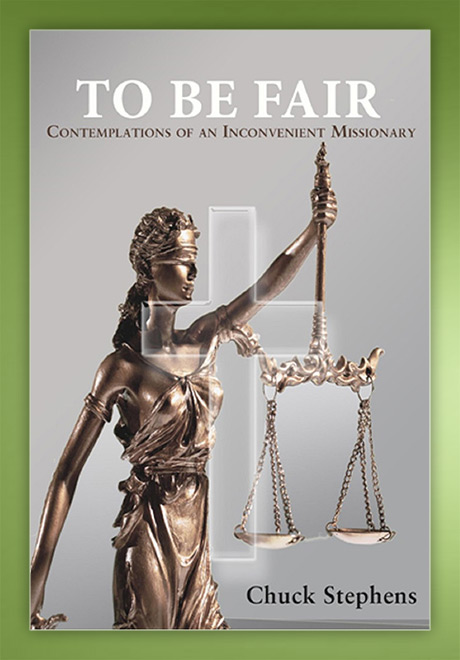
To Be Fair
Contemplations of an Inconvenient Missionary.
Description
The author draw from his well of missionary experience in Africa, to give some perspective to Christian outreach in North America and elsewhere. He weighs it up in a balanced way, admitting that mistakes have been made, but that they tend to be overstated by the revisionist narrative. He point out the exaggeration and sets the record straight, with a broad historical round-up of missionary work. He admits that at times Christianity has clashed with local culture over specific issues, but shows that Christian conversion has never overpowered any culture. On the contrary, missionaries have brought “salt and light” to the nations, far and wide.
Reviews
By Richard Mbokodo
I have analyzed/reviewed the book based on its strengths and weaknesses objectively.
STRENGTHS:
- The book addresses a controversial topic that may pique the interest of potential readers.
- The book uses emotional triggers, such as the mention of “genocide” and the urgency of setting the record straight.
- The author provides a clear argument about the historical record of missionary work and the revisionist accusations of “genocide” in Residential Schools.
- The book highlights the author’s expertise and research skills, which lends credibility to the book.
WEAKNESSES:
- At first the book seems one-sided which could alienate some readers. However, it does address some opposing viewpoints, mostly by engaging with another author and book – The Inconvenient Indian by Thomas King. The book is selective about opposing viewpoints, seeing some value in them while debating them passionately.
- The use of emotional triggers could be perceived as manipulative or insensitive by some readers.
- The author’s argument could be perceived as biased, as the book frames the topic in a particular way. On the other hand, this bias is was caused the book to be written, so this is not surprising.
- The book offers limited glimpses about the author’s background and qualifications, sprinkled into its content. This could impact the book’s perceived credibility.
Overall, the book may appeal to readers who are interested in controversial topics and want a clear argument about the historical record of missionary work that answers the revisionist accusations of “genocide” in Residential Schools. However, the book’s potential one-sidedness and use of emotional triggers could turn off some readers who may perceive the argument as biased or insensitive.